

Photography is more than pressing a button—it’s a way of seeing, interpreting, and preserving moments. Whether you’re using a smartphone or a professional camera, mastering photography involves understanding light, composition, and storytelling.
What Is Photography?
Photography is the art and science of capturing light to create images. At its core, it combines technical knowledge with creative vision. A strong photograph doesn’t just document a scene—it communicates emotion, mood, and meaning.
Types of Photography
Photography branches into several genres, each with its own style and purpose:
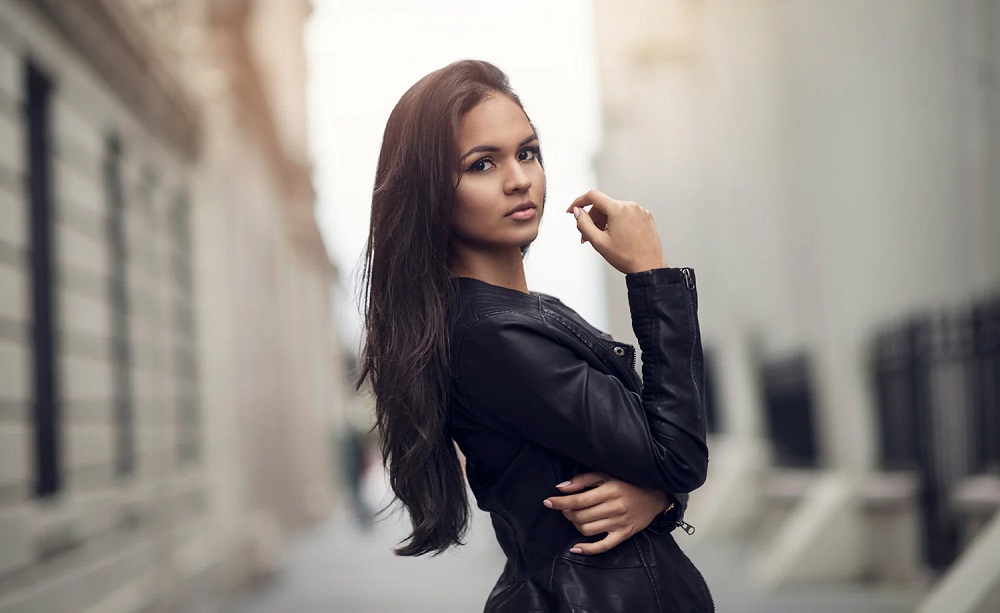
1. Portrait Photography
Focuses on capturing people, emphasizing expressions, personality, and mood.
2. Landscape Photography
Captures natural environments like mountains, oceans, and forests—often highlighting scale and beauty.
3. Street Photography
Documents everyday life in public spaces, often candid and spontaneous.
4. Wildlife Photography
Requires patience and timing to capture animals in their natural habitats.
5. Macro Photography
Zooms in on tiny details such as insects, textures, and patterns.
Essential Elements of Photography
To improve your skills, it’s crucial to understand the fundamental elements:
1. Lighting
Light is the backbone of photography. The same subject can look completely different under varied lighting conditions.
- Natural Light: Ideal for beginners; soft and flattering
- Artificial Light: Offers control but requires practice
- Golden Hour: Shortly after sunrise or before sunset, producing warm tones
2. Composition
Composition determines how elements are arranged in a frame.
- Rule of Thirds: Divide the frame into nine equal parts and place subjects along the lines
- Leading Lines: Use lines to guide the viewer’s eye
- Framing: Use objects to frame your subject
3. Focus and Depth of Field
- Shallow Depth of Field: Blurred background, sharp subject
- Deep Depth of Field: Everything in focus
4. Exposure
Exposure controls how light or dark an image appears. It is influenced by:
- Aperture (lens opening)
- Shutter Speed (duration of light exposure)
- ISO (camera sensitivity to light)
Basic Photography Equipment
You don’t need expensive gear to start, but understanding equipment helps:
- Camera: DSLR, mirrorless, or smartphone
- Lens: Determines perspective and sharpness
- Tripod: Essential for stability and long exposures
- Accessories: Memory cards, filters, external flash
Tips for Better Photography
Practice Intentionally
Take photos regularly and review them critically.
Learn to Observe
Look for patterns, shadows, and unique angles.
Keep It Simple
Avoid cluttered backgrounds; focus on your subject.
Experiment Freely
Try different settings, perspectives, and lighting conditions.
Edit Thoughtfully
Post-processing enhances images but should not overpower them.
Common Mistakes to Avoid
- Overexposure or underexposure
- Ignoring composition rules
- Over-editing images
- Not cleaning the lens
- Relying too much on automatic mode
Why Photography Matters
Photography preserves memories, tells stories, and documents reality. It plays a crucial role in journalism, art, science, and personal expression. In today’s digital age, it has become more accessible, allowing anyone to explore their creativity.
Frequently Asked Questions (FAQs)
1. What is the best camera for beginners?
A beginner-friendly DSLR, mirrorless camera, or even a smartphone with manual controls is sufficient to start learning photography.
2. How can I improve my photography skills quickly?
Practice regularly, study composition techniques, and analyze your own photos to understand mistakes.
3. What is the rule of thirds in photography?
It’s a composition guideline that divides an image into nine equal parts to help place subjects more effectively.
4. Is expensive equipment necessary for good photography?
No. Skill, creativity, and understanding of light matter far more than the cost of equipment.
5. What is ISO in photography?
ISO controls the camera’s sensitivity to light. Higher ISO helps in low light but can introduce noise.
6. How important is editing in photography?
Editing enhances images but should be used subtly to maintain a natural look.
7. What is the best time of day for photography?
The golden hour (early morning or late evening) provides the most flattering natural light.
Photography is a lifelong learning journey. The more you experiment and observe, the more your unique style will emerge.

Comments are closed.