
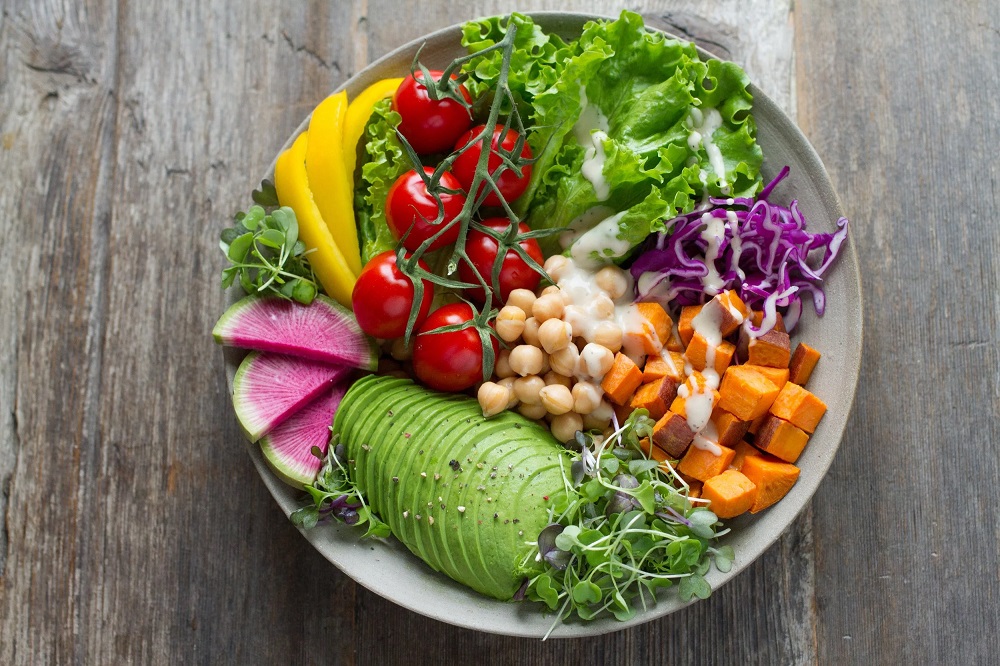

Introduction to Food
Food is far more than just sustenance—it is a blend of culture, science, tradition, and creativity. Every meal tells a story about geography, climate, history, and human innovation. From simple home-cooked dishes to elaborate gourmet creations, food connects people across generations and borders.
Types of Food
Food can be broadly categorized based on its origin, preparation, and nutritional value:
1. Natural Foods
These include items that come directly from nature with minimal processing:
- Fruits and vegetables
- Whole grains
- Nuts and seeds
- Fresh dairy and eggs
2. Processed Foods
Foods that have been altered for preservation or convenience:
- Packaged snacks
- Frozen meals
- Canned goods
3. Fast Food
Quickly prepared and served, often high in calories:
- Burgers and fries
- Pizzas
- Fried chicken
4. Traditional & Cultural Foods
Each region has its own culinary identity:
- Indian curries and thalis
- Mediterranean dishes
- Asian rice-based meals
Nutritional Importance of Food
Food provides essential nutrients required for the body to function properly. A balanced diet typically includes:
- Carbohydrates: Main energy source (rice, bread, pasta)
- Proteins: Muscle repair and growth (lentils, eggs, meat)
- Fats: Energy storage and cell health (nuts, oils)
- Vitamins & Minerals: Support immunity and body processes
- Fiber: Aids digestion and gut health
A diet lacking in any of these components can lead to deficiencies and health problems.
The Role of Food in Culture
Food plays a central role in traditions and celebrations:
- Festivals are often defined by special dishes
- Family recipes are passed down generations
- Street food reflects local identity
- Sharing meals strengthens social bonds
In many cultures, food is also a symbol of hospitality and love.
Healthy Eating Habits
Maintaining good eating habits is essential for long-term health:
- Eat a balanced diet with all nutrient groups
- Control portion sizes to avoid overeating
- Stay hydrated with plenty of water
- Limit processed and sugary foods
- Include fresh and seasonal produce
Consistency in healthy choices matters more than occasional indulgence.
Modern Food Trends
Food habits continue to evolve with time:
- Plant-based diets gaining popularity
- Organic and sustainable eating
- Fusion cuisine blending global flavors
- Home cooking revival after digital influence
- Health-conscious alternatives like low-carb or gluten-free diets
These trends reflect growing awareness about health, environment, and lifestyle.
Conclusion
Food is an essential part of life that nourishes both the body and the soul. Understanding what we eat and how it affects us empowers better choices. Whether it’s a simple homemade meal or an elaborate feast, food remains a universal language that brings people together.
Frequently Asked Questions (FAQs)
1. What is the most important nutrient in food?
There is no single most important nutrient; a balance of carbohydrates, proteins, fats, vitamins, and minerals is essential for overall health.
2. How can I start eating healthier?
Begin by adding more fruits and vegetables, reducing processed foods, and maintaining regular meal timings.
3. Is fast food always unhealthy?
Not always, but frequent consumption can lead to health issues due to high fat, salt, and calorie content.
4. Why is traditional food important?
Traditional food preserves cultural identity and often uses natural, locally available ingredients.
5. How much water should I drink daily?
Generally, 2–3 liters per day is recommended, depending on activity level and climate.
6. Are plant-based diets healthy?
Yes, when properly balanced, plant-based diets can provide all necessary nutrients and offer health benefits.
7. What is mindful eating?
Mindful eating involves paying attention to hunger, taste, and portion sizes, helping prevent overeating and improving digestion.

Comments are closed.