
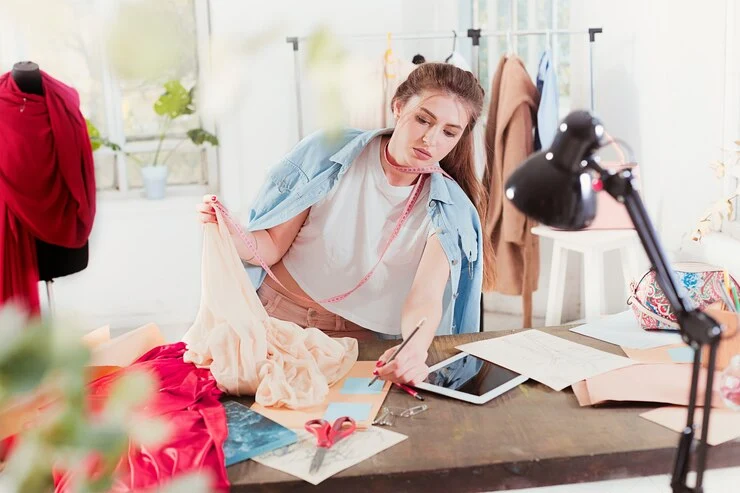

Fashion is more than just clothing—it is a powerful form of self-expression. From cultural identity to personal confidence, what we wear communicates who we are without saying a word. Over time, fashion has transformed from necessity into a global industry that influences art, media, and lifestyle.
What Is Fashion?
Fashion refers to popular styles of clothing, accessories, footwear, and overall appearance that are accepted and embraced at a particular time. It constantly evolves, shaped by culture, technology, and societal shifts.
Key Elements of Fashion
- Clothing: Dresses, shirts, pants, outerwear
- Accessories: Bags, jewelry, belts
- Footwear: Sneakers, heels, boots
- Styling: Hair, makeup, and overall presentation
Fashion blends creativity with practicality, making it both an art and a daily essential.
The Evolution of Fashion
Fashion has undergone significant changes throughout history, reflecting the values and lifestyles of different eras.
Major Phases in Fashion History
- Ancient Times: Simple garments focused on function
- Medieval Period: Elaborate designs indicating social status
- Industrial Era: Mass production made fashion accessible
- Modern Era: Diversity, individuality, and fast-changing trends
Today, fashion is influenced by globalization, social media, and celebrity culture.
Types of Fashion Styles
Fashion is not one-size-fits-all. It offers a wide range of styles to suit different personalities and occasions.
Popular Fashion Styles
- Casual: Comfortable and relaxed everyday wear
- Formal: Elegant attire for professional or special events
- Streetwear: Urban-inspired, trendy, and expressive
- Bohemian: Free-spirited with earthy tones and loose fits
- Minimalist: Clean, simple designs with neutral colors
Each style allows individuals to showcase their identity in unique ways.
The Role of Fashion in Society
Fashion plays a crucial role beyond aesthetics. It impacts culture, economy, and even psychology.
Why Fashion Matters
- Self-Expression: Reflects personality and mood
- Cultural Identity: Preserves traditions and heritage
- Economic Impact: Supports global industries and employment
- Confidence Boost: Enhances self-esteem and presence
Fashion often mirrors social movements, making it a reflection of the times.
Sustainable Fashion: The Future of Style
With growing awareness of environmental issues, sustainable fashion has become a major trend.
What Is Sustainable Fashion?
It focuses on eco-friendly materials, ethical production, and reducing waste in the fashion industry.
Key Practices
- Using organic or recycled fabrics
- Supporting ethical labor practices
- Reducing fast fashion consumption
- Promoting long-lasting clothing
Sustainable fashion encourages mindful choices without compromising style.
Fashion Trends in 2026
Fashion trends continue to evolve with innovation and creativity shaping the industry.
Emerging Trends
- Digital Fashion: Virtual outfits for online platforms
- Gender-Neutral Clothing: Breaking traditional norms
- Tech-Integrated Wear: Smart fabrics and wearable tech
- Vintage Revival: Nostalgic styles making a comeback
These trends highlight how fashion adapts to modern lifestyles.
How to Develop Your Personal Style
Finding your personal style takes time and experimentation.
Tips to Build Your Style
- Understand Your Preferences: Choose what feels comfortable
- Experiment: Try different looks and combinations
- Invest in Basics: Build a versatile wardrobe
- Stay Authentic: Wear what reflects you, not just trends
Personal style is about confidence, not perfection.
FAQs About Fashion
1. What is the difference between fashion and style?
Fashion refers to current trends, while style is a personal and consistent way of dressing.
2. How often do fashion trends change?
Trends can change seasonally or even faster due to social media influence.
3. Is expensive clothing always better?
Not necessarily. Quality and fit matter more than price.
4. How can I stay fashionable on a budget?
Focus on basics, mix and match outfits, and shop during sales or second-hand stores.
5. What is fast fashion?
Fast fashion involves quickly produced, low-cost clothing that follows current trends but often lacks sustainability.
6. Why is sustainable fashion important?
It reduces environmental damage and promotes ethical production practices.
7. Can fashion influence confidence?
Yes, wearing clothes that suit your personality can significantly boost self-confidence.

Comments are closed.